キャセリーニ
Casseliini
Casseliini — Tokyo’s 39-Year-Old Collaboration House You’ve Probably Never Heard Of
Most Tokyo brand stories start in 2015. This one starts in 1987.
Casseliini is the namesake line of 株式会社キャセリーニ (Casselini Inc.), a women’s fashion-goods house founded in February 1987 and headquartered at Jingumae 2-19-5, Shibuya — five minutes on foot from the Harajuku end of Omotesando. The company turned 39 this February. Casseliini, the in-house label that gives the company its public identity, has been running long enough that most of its current customers were not yet born when it began.
In a market that valorises newness, that durability is itself the story.
What Casseliini actually is
Casseliini sits in a category that doesn’t quite exist in English-language fashion writing: a bag and accessory house that organises its calendar around collaborations rather than seasonal collections.
A typical Tokyo accessories brand will deliver Spring/Summer and Autumn/Winter capsules built around an internal aesthetic. Casseliini does the opposite. Each season cycles a fresh capsule designed in dialogue with an outside brand. The label’s design vocabulary — playful, motif-led, flower-and-logo-heavy, occasionally rendered in vintage Americana — flexes to fit whichever partner is in the room.
Recurring partners read like a deliberately eclectic shortlist:
- FILA — sports-heritage palette translated into bags and small leather goods
- New Era® — cap silhouettes and panel construction crossed with handbag forms
- hanky panky — Casseliini’s first lingerie collab, announced in 2026
- WICKED (the film) — cinema-IP capsule for the 2024 release
- Care Bears™ — through the Casselini HOME sub-line
- HARUTA — Japanese school-shoe heritage applied to charms and accessories
Each capsule is intentionally short-run. The house’s distribution backbone — its own e-commerce site and the Casselini Harajuku flagship store on the Jingumae 5-chōme strip — absorbs the variability, while the brand’s longstanding wholesale relationships handle scale.
Why the model matters
Reading Casseliini as “a collab brand” undersells what’s happening structurally.
A collaboration-first house has to maintain two things simultaneously: a recognisable house language strong enough that partners want to borrow it, and enough discipline to step back when the partner’s language should lead. The danger is becoming pure label-stamping — a sticker on someone else’s product. The opposite danger is becoming so loud that no partner wants to be flattened into it.
Casseliini’s answer, repeated across three decades, is the motif. A floral. A logotype. A character. The motif is the unit of negotiation: how does this flower meet FILA’s red-white-blue? How does this character meet Care Bears’ existing canon? The answer becomes the capsule, and the design vocabulary survives intact for the next conversation.
For overseas observers who only encounter Tokyo fashion through Avant-Garde JP (the Sacai-Yohji-CdG axis) or J-Fashion Subcultures (Harajuku in its 2000s sense), Casseliini is a useful third reference point: collaboration as design discipline.
A note on the parent company
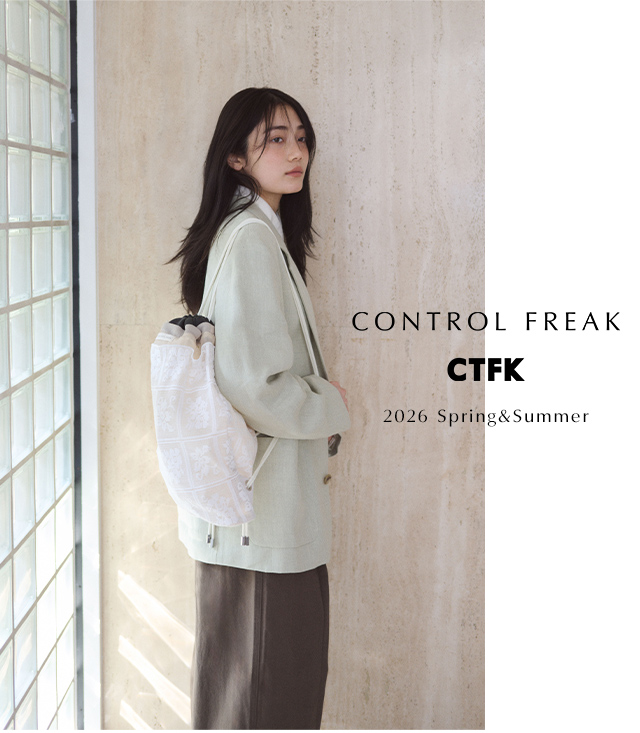
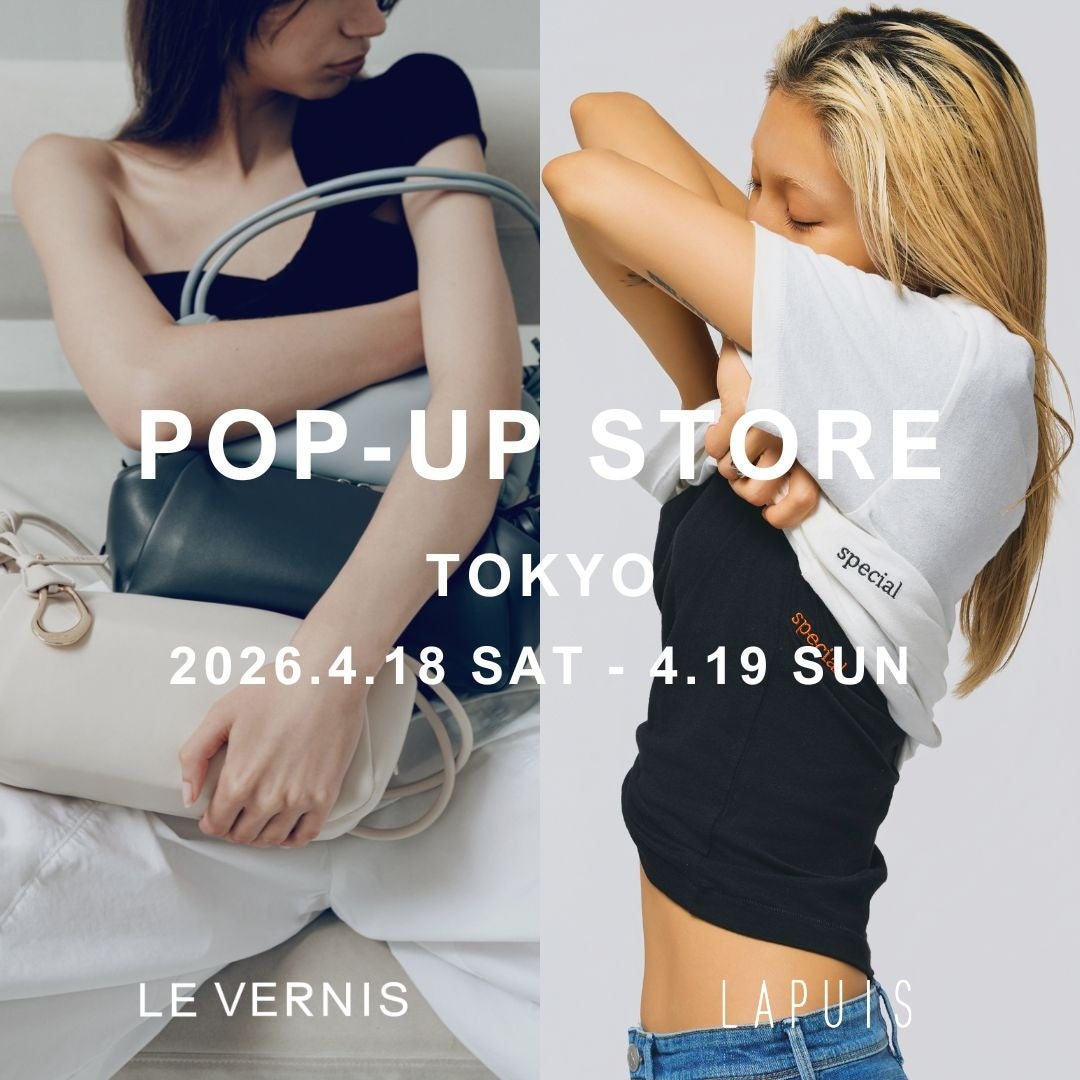
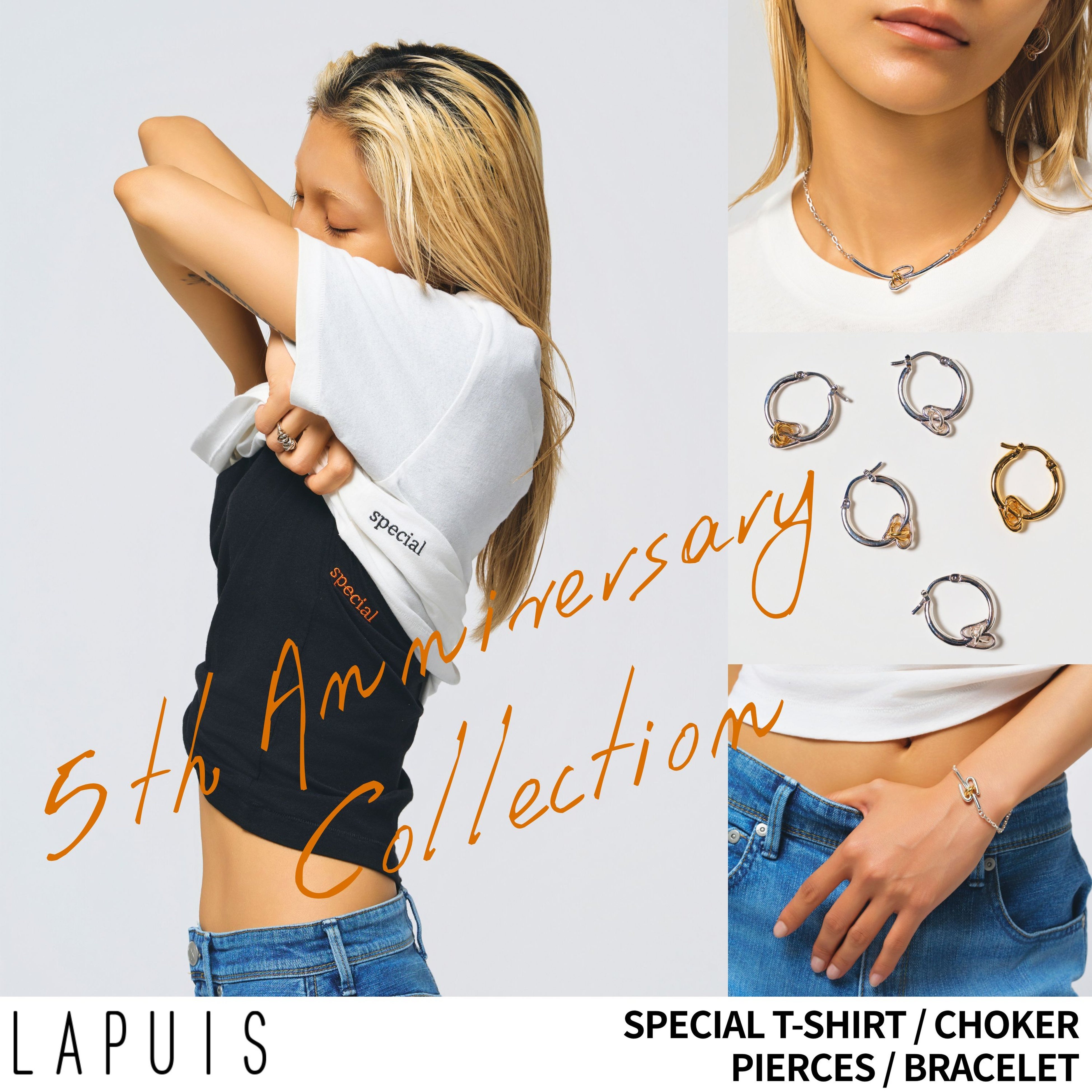
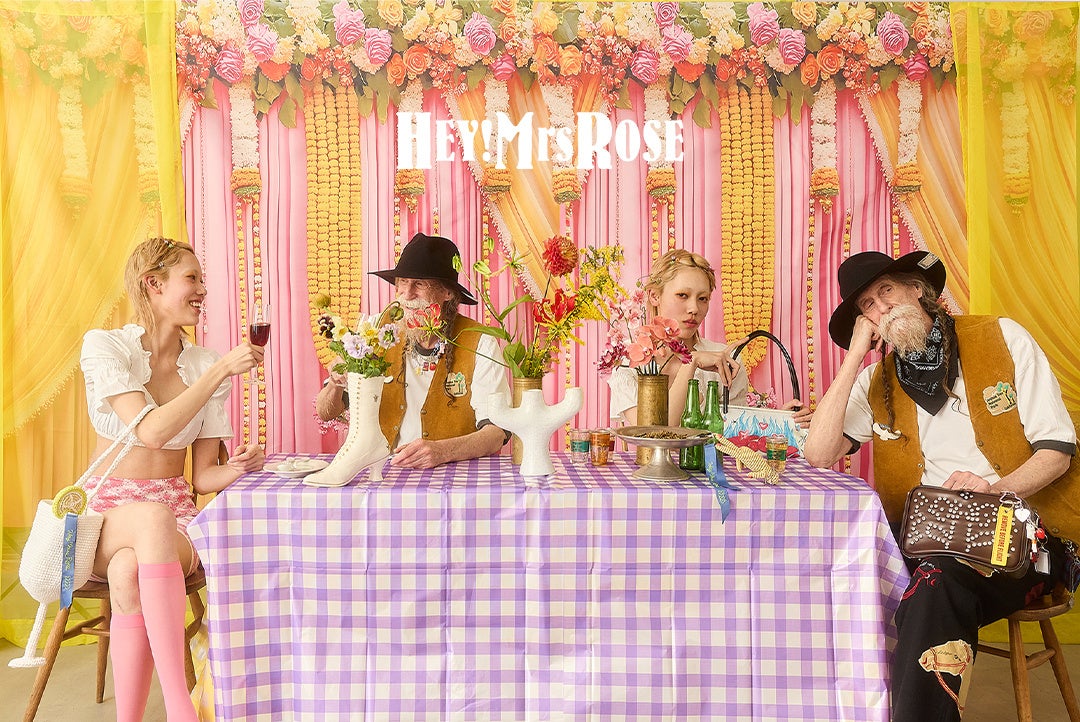
Casseliini does not exist alone. The Casselini Inc. portfolio also includes five sister labels — LE VERNIS, LAPUIS, CONTROL FREAK, HEY! Mrs ROSE, and the Casselini Harajuku flagship store — which together carry the company’s full spectrum from sculptural daily bags to streetwear utility. For an overview of all six, see our 6 Tokyo Brands Shaping Playful Fashion introduction.
Where to find it
- Online: casselini-online.com
- Instagram: @casselini_official
- Flagship: Casselini Harajuku — 〒150-0001 東京都渋谷区神宮前 5-27-8
- Stockists: Department-store and select-shop distribution across Japan; international resale via Japanese proxy services
Press references
All Casselini press releases archived at PRTimes (Casselini company page). April 2026-onwards releases referenced in this piece:
- PRTimes 177342-15 — FILA × Casseliini SPECIAL ITEM (April 28, 2026)
- PRTimes 177342-10 — hanky panky × Casseliini, first lingerie collab (Spring 2026)
- PRTimes 177342-6 — New Era × Casseliini 2026 edition (Spring 2026)
Casselini Inc. is the parent company of modetokio.com. Editorial direction is maintained independently; the label receives the same coverage treatment as the other brands currently being researched for the Brand Directory.